Bingo Country Boys: Tournament
- 4.2
- Rating
- 100.00K
- Installs
- Free
- Price
 Analysis by App-foxy
I went into Bingo Country Boys: Tournament expecting a familiar bingo game with a country-themed presentation, and that is broadly what I found: an easy-to-start board game built around quick rounds, visible goals, and the pleasure of marking numbers as the board develops. It is free to play, aimed at Everyone 10+, and works well when I want something lighter than a strategy game but more engaging than simply watching a screen.
The main appeal is its accessibility. I did not need a long tutorial or previous bingo experience to understand what to do. The country-boys theme gives the game its identity, while the tournament framing adds a little more purpose than a completely plain bingo app. Playcus Limited keeps the basic interaction familiar, so the learning curve is gentle even if you have never played a digital version before.
That simplicity is also the first important expectation to set. This is not a deep board game with elaborate planning, branching stories, or complex tactical choices. The enjoyment comes from short-term decisions, anticipation, and the rhythm of one round leading into the next. If you like bingo because it is readable and relaxing, the format feels comfortable. If you need constant novelty or highly demanding strategy, the limited core loop may feel repetitive.
You May Also Like

 Blood Strike: 2.5 Anniversary
Blood Strike’s Loadouts Turn Every Drop Into a Tactical Gamble
A close look at Blood Strike’s custom loadouts: how fast access to signature weapons reshapes its battle royale rhythm, rewards preparation, and narrows the gap between fights.

 Pandora - Music & Podcasts
Pandora’s Music Is Easy to Start, but Harder to Recover
Pandora’s strength is its low-effort path from a seed to a station. Its weak spot is how much confidence it asks you to place in connection, setup, and quiet recovery.

 8 Ball Pool
 Is Built on Rivalries, Rematches, and Routine
A close look at the rivalries, rematches, shared routines, and unanswered safety questions that turn a quick pool match into a persistent mobile community.

 Samsung Music
’s Quiet Strength Is Playing What You Already Own
Its reach comes less from spectacle than from dependable access to a personal library. That simplicity is both the app’s strongest retention engine and its ceiling.

 AccuWeather: Weather Radar
AccuWeather Review: A Quick, Clear Forecast for Everyday Decisions
For everyday plans, the best forecast is the one you can understand quickly. AccuWeather makes rain timing, radar, and local conditions easy to act on, with a few trade-offs.

 Hill Climb Racing
Why Hill Climb Racing Still Turns Crashes Into One More Run
A tiny car, a bumpy hill and one more upgrade: Hill Climb Racing keeps resurfacing because its simple chaos makes every near-miss feel personal.
More From Our News Desk



How the early goals create a reason to keep playing
The opening stretch works because the first goals are easy to understand. I can focus on the board, watch the called numbers, and learn the timing without being buried under menus or complicated instructions. That matters on a phone, where a game often has only a few seconds to prove that it is worth keeping installed.
The tournament idea gives each session a clearer direction than an endless sequence of unrelated boards. Even when the individual actions remain simple, the sense of moving through an organized challenge makes a win feel more meaningful. I found myself paying attention not only to whether I completed the immediate board, but also to what the next stage seemed to demand from my attention and patience.
A useful way to approach the early game is to treat it as a practice period rather than rushing through every available opportunity. Bingo rewards awareness more than frantic tapping. I found it helpful to keep my eyes moving across the whole card instead of staring at one promising line. That small habit reduces missed numbers and makes the game feel more controlled, especially when several possible completions begin to appear at once.
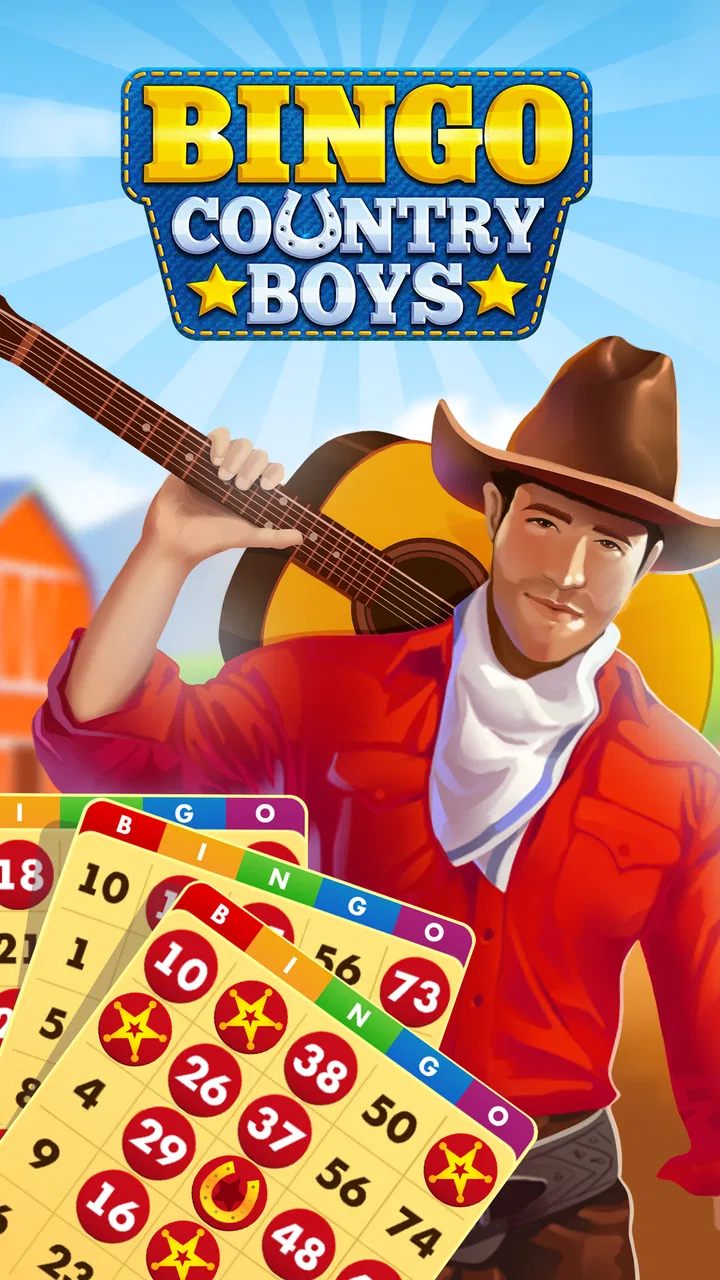
The country setting is not just a label pasted onto a generic board. It gives the game a warmer, more playful tone than a strictly traditional bingo interface. I would not call it a replacement for a full social or competitive board-game experience, but it does make the presentation easier to return to. The atmosphere is particularly suitable for casual play during a break, while waiting for an appointment, or when I want a low-pressure game before bed.
One practical question is whether a new player can understand the game without outside help. In my experience, yes. The familiar bingo structure does most of the teaching. The more useful adjustment is learning how quickly to scan the board and when to avoid tapping impulsively. That is a small skill, but it makes the difference between feeling involved and merely waiting for the right number to appear.
Progress is easiest to notice through the tournament rhythm
The strongest progress signal is not a complicated character build; it is the feeling that each completed round contributes to a larger run. That structure gives ordinary bingo actions a little more momentum. I could see why someone might play several short sessions instead of one long sitting: the game naturally supports checking in, completing a round, and stopping before the experience becomes tiring.
This pacing also makes the game approachable for players who do not want to memorize rules. The board itself remains the center of attention, while the tournament framing supplies context around it. I appreciate that balance because it avoids turning a simple game into a management task. There is enough structure to encourage another round, but not so much that I have to study a large progression screen before I can play.
Players who enjoy visible milestones will probably get more from the format than those who only want a single endless bingo mode. The tournament concept suggests forward movement, and that forward movement is what keeps the basic activity from feeling completely isolated. Still, the progress should be understood as a support for bingo rather than a separate adventure. The board remains the reason to play, not merely a step toward a larger collection of systems.
My most useful tip is to decide in advance how long I want to play. Because the rounds are easy to start, it is tempting to continue simply because the next one is available. A short personal limit keeps the game enjoyable and helps reveal whether the progression is genuinely satisfying or whether I am only continuing out of habit. This is especially helpful for players who prefer games with a clear stopping point.
The current version is 1.601.885, and the game requires Android 7.0 or later. That makes it a practical option for people using an older compatible Android device rather than a brand-new phone. I would still check the available store page on the device before installing, particularly if I were using a tablet or a phone with limited storage, but the stated operating-system requirement is fairly accessible.
The challenge curve depends more on attention than on complicated tactics
Bingo Country Boys: Tournament is not difficult because it asks me to build a perfect strategy several turns ahead. Its challenge comes from maintaining concentration, recognizing useful patterns, and reacting before the opportunity disappears. That distinction is important. Someone looking for chess-like planning will find the decision-making light, while someone who enjoys quick visual scanning may find the pressure pleasantly engaging.
The early rounds are forgiving enough to establish the routine, but the experience becomes less passive once I start tracking several possible lines. I have to balance hope with accuracy: a nearly completed line is exciting, but it can also distract me from other numbers that matter. The best play is not simply to chase the most obvious pattern. I found better results by checking the entire card after every relevant call.
That creates a modest but real skill gap between a careless player and an attentive one. The game remains accessible, yet it is not entirely automatic. I can improve through practice without needing a guide, special knowledge, or a complicated build. This is one of the more appealing aspects of the design because it gives repeated rounds a purpose beyond pure luck.
At the same time, bingo is still governed heavily by chance. Better attention can help me avoid mistakes, but it cannot guarantee the result I want. Players who dislike random outcomes may become frustrated when careful play does not produce a win. I see that as a basic trade-off of the genre rather than a flaw unique to this title, but it should shape expectations before downloading.
For a relaxed session, I would play with the sound and visual presentation at a comfortable level and avoid treating every round as a test of skill. For a more focused session, I would remove distractions and scan methodically. That flexibility is useful: the same game can function as a casual time-filler or as a small concentration exercise, depending on how seriously I approach the board.
Where the pacing stays comfortable and where it may wear thin
The pacing is at its best when a round feels like a compact challenge with a clear beginning and end. I can understand the board quickly, make progress without a long setup, and decide whether I want to continue. That makes the game suitable for commutes, short breaks, and those moments when a large campaign game would demand more time than I have available.
Its weakness is that the central action does not change dramatically. The tournament framing adds context, but it cannot completely transform the underlying bingo loop. After several sessions, I noticed that my enjoyment depended on whether I was in the mood for repetition. If I wanted something soothing and familiar, that repetition worked in the game’s favor. If I wanted discovery, it became a limitation.
This is also where the game differs from common alternatives. A traditional physical bingo session offers shared room energy and direct interaction with other people. A social bingo app may focus more strongly on community features or conversation. A classic board-game app may offer deeper choices and more varied rules. This title sits closer to the quick, accessible end of the spectrum: it is easier to pick up than a complex board game, but less socially rich than playing bingo with a group.
That comparison helps identify the right audience. I would recommend it to someone who wants a country-themed bingo experience with tournament structure and short-session convenience. I would point a player elsewhere if their priority is multiplayer conversation, a highly strategic board, or a story-driven progression system. The game does not need to be everything; it works best when its straightforward design matches the player’s mood.
Free access, optional spending, and the pressure to continue
The game is free to download, which makes trying the core experience easy. There are in-app purchases ranging from $1.99 to $99.99 per item, so I would approach the progression with a clear spending boundary. The presence of optional purchases does not automatically ruin a casual game, but it does change how I evaluate the pacing. I pay attention to whether I am continuing because the round is fun or because the design is pushing me toward a purchase.
My advice is simple: play the opening sessions without assuming that spending is necessary. Decide whether the basic tournament rhythm is enjoyable on its own before considering any optional item. This is especially important for families, since the age rating is Everyone 10+ and the game is easy for younger players to understand. A device-level purchase safeguard is sensible whenever a child may use the phone or tablet.
The retention pressure here comes less from a complex collection system and more from the natural “one more round” feeling. A near-complete board can make stopping feel premature, even when I have already played enough. That is effective pacing, but it can also blur the line between genuine enjoyment and automatic repetition. I recommend taking a break after a win or after a fixed number of rounds instead of waiting until the game feels tiring.
Another useful trade-off is attention versus convenience. Playing casually while distracted may seem ideal, but missed numbers can make a round feel unfair even when the issue was simply divided focus. If I am multitasking, I prefer to treat the session as background entertainment. If I want the best chance of a satisfying result, I give the board my full attention for a short period rather than playing half-heartedly for much longer.
The game has an average rating of 4.2 from around 5.9 thousand ratings, with roughly 1 thousand written reviews. Those figures suggest that many players find the basic idea appealing, while also reminding me that a solid casual rating is not a promise that every player will enjoy the repetition. I would read the response as confirmation that the accessible format works for its intended audience, not as evidence that it replaces every other kind of board game.
Who should install it, and who should choose another board game?
I think it is a good fit for casual bingo fans, players who enjoy country-themed presentation, and anyone looking for a simple game that can be played in short bursts. It is also suitable for people who prefer learning by doing. The familiar rules reduce the barrier to entry, while the tournament structure gives each session a little more direction than a bare card-and-caller format.
I would be more cautious about recommending it to players who need constant strategic variety. If you want resource management, long-term planning, or a story that changes your objectives, this will probably feel too narrow. Likewise, if the social side of bingo is the main attraction for you, a real-world game night or a more explicitly social alternative may offer a richer experience.
It is worth remembering that the game comes from Playcus Limited and has been available since Nov 6, 2017. That history helps explain why the format feels established rather than experimental. The important question is not whether it introduces a radically new kind of board game; it is whether its familiar loop, country style, and tournament pacing still suit what I want from a mobile session.
For everyday use, I would keep it as a small, low-commitment option rather than my only game. I can open it during a short wait, play attentively through a round, and put it away without needing to remember a complicated campaign. When I have more time and want richer decisions, I would switch to a strategy board game. When I want people around me, I would choose physical bingo instead. That division of roles makes the app more enjoyable.
My verdict on the progression and long-term appeal
The progression succeeds when it gives simple bingo rounds a reason to continue without pretending they are a deep strategy campaign. The early goals are approachable, the tournament framing provides a readable sense of movement, and the challenge rewards concentration without demanding specialist knowledge. I especially like that improvement comes from scanning carefully and managing attention, not from mastering a complicated interface.
The main limitation is equally clear: the core loop can become repetitive, and chance remains a major part of the outcome. Optional purchases also mean I would play with spending controls and a personal stopping point. Those are not reasons to dismiss the game, but they are reasons to approach it honestly. Its best quality is convenience, not endless variety.
With over 100 thousand installs, it has found a sizeable audience for this particular blend of bingo and country presentation. I can understand why: the game is approachable, free to start, and structured well for short sessions. My recommendation is strongest for casual players who enjoy familiar rules with a light progression layer. If that describes you, it is worth trying. If you want a socially rich bingo room or a demanding board-game challenge, I would choose a different option rather than expecting this one to become something it was not designed to be.
FAQs for Bingo Country Boys: Tournament
01What is Bingo Country Boys: Tournament?
Bingo Country Boys: Tournament is a mobile bingo game with a country-themed presentation and competitive tournament format. Players complete bingo cards, call numbers, and aim to score more points than other participants. The game is designed for short sessions, making it suitable for casual play, while tournaments add extra goals for users who enjoy competing and trying to improve their rankings.
02How do tournaments work in Bingo Country Boys: Tournament?
Tournaments generally challenge you to play one or more bingo rounds under specific scoring conditions. Your performance may depend on completing patterns quickly, collecting bonuses, or earning a high score before the event ends. Rankings can change as other players participate, so consistent play and careful use of available boosts may be important if you want to reach the top positions.
03Can I play Bingo Country Boys: Tournament without an internet connection?
An internet connection may be required for important features such as tournaments, player rankings, event progress, advertisements, and synchronization with your account. Some parts of the game might load or remain accessible temporarily offline, but you should not assume that all gameplay will work without connectivity. A stable connection is recommended, especially when entering competitive rounds or claiming rewards.
04Is Bingo Country Boys: Tournament free to download and play?
The game can typically be downloaded without an upfront purchase, but free access may include optional in-app purchases and advertising. These purchases can sometimes provide additional resources, bonuses, or convenience, while ads may offer rewards in exchange for viewing them. You can usually play without spending money, although progress and tournament participation may be affected by limited energy, tickets, or other resources.
05Is Bingo Country Boys: Tournament suitable for children?
The colorful design and straightforward bingo mechanics may appeal to younger players, but parents should review the store rating, privacy information, advertising policy, and in-app purchase settings before installation. Tournament features can encourage frequent play, and online connectivity may expose users to tracking or promotional content. Using parental controls and disabling unauthorized purchases is advisable when children use the app.
Pros
- Quick matches make it easy to play during short breaks.
- Tournament rankings add a competitive goal beyond regular bingo.
- Bright country-themed visuals give the game a distinctive personality.
- Simple controls are suitable for casual players of different ages.
- Frequent rewards can help maintain interest between tournament rounds.
Cons
- Progress may feel slow without regular play or extra resources.
- Competitive events can create pressure to keep checking the app.
- Visual effects and animations may become repetitive over time.
- The country theme may not appeal to players seeking a traditional style.
- Performance can vary on older phones during busy game sessions.

Bingo Country Boys: Tournament
Gallery